Employee departures are a normal part of running any business. Whether someone resigns, retires, or moves on to a new opportunity, how you manage the end of employment matters just as much as how you manage recruitment and onboarding. For SMEs, having a clear employee offboarding process helps protect the organisation, maintain professionalism, and ensure a smooth transition.
However, many businesses focus heavily on hiring and forget that a structured offboarding process is just as important. Without a clear leaver checklist, important tasks can easily be missed such as retrieving company property and ensuring payroll records are correct.
In this guide, we’ll explain what offboarding involves, why it matters, and provide a practical checklist SMEs can follow.
What Is Employee Offboarding?
Employee offboarding refers to the structured process an employer follows when an employee leaves the organisation. It typically begins when notice is given and continues until after the employee’s final day.
Offboarding is not simply about removing access to systems or processing a final payslip. It involves administrative tasks, knowledge transfer, legal compliance, and maintaining positive relationships with departing staff.
According to the Chartered Institute of Personnel and Development (CIPD), “a well-managed exit process can help organisations gather valuable feedback and maintain a positive employer reputation.”
A well planned employee offboarding process ensures that the business protects confidential information, maintains operational continuity, and treats employees fairly during their departure.
Why a Clear Offboarding Process Matters for SMEs
By their very nature, SMEs operate with smaller teams and fewer resources than larger organisations. This means that when someone leaves, their absence can have a significant operational impact.
A clear offboarding process helps SMEs:
Maintain business continuity
Important knowledge and responsibilities can be transferred before the employee leaves.
Protect company data and assets
Access to systems, devices, and confidential information should be managed carefully.
Ensure legal and payroll compliance
Employers must meet obligations relating to final pay, accrued holiday, and documentation.
Protect the employer brand
Former employees often remain connected to the business as customers, advocates, or even future hires.
ACAS emphasises the importance of managing employee departures professionally, noting that “handling the end of employment properly can help prevent disputes and maintain good working relationships.”
For SMEs, a consistent leaver checklist can ensure that no key steps are overlooked.
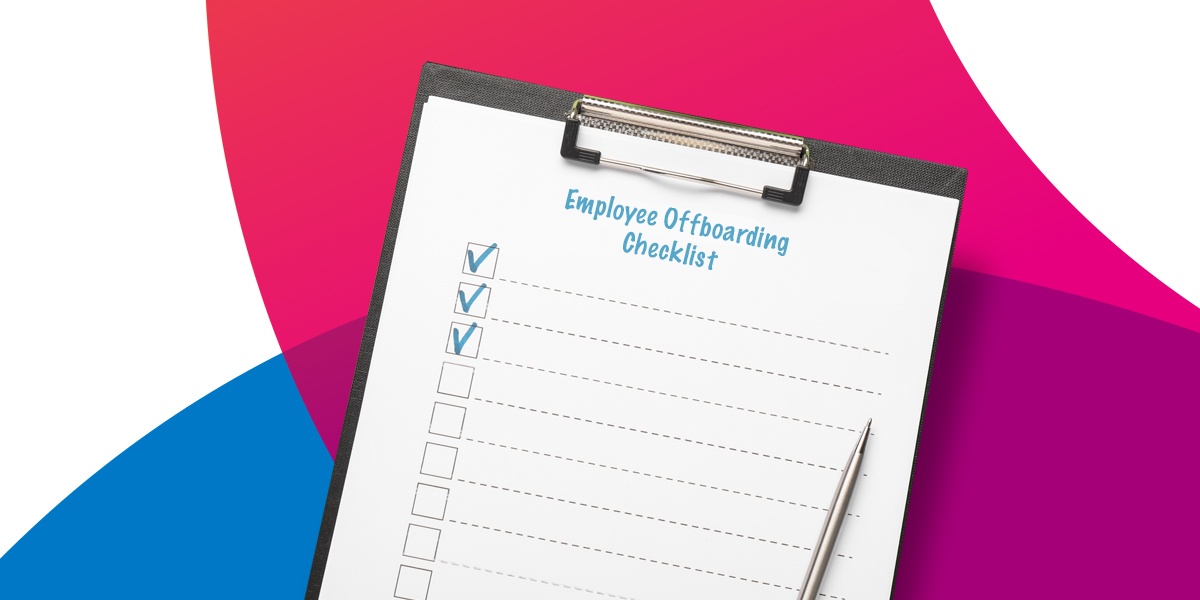
Your Employee Offboarding Checklist: Step by Step
A practical leaver checklist helps employers manage departures in an organised way. While the exact steps will vary depending on the role, the following stages provide a useful framework for SMEs.
- Confirm the Employee’s Notice and Final Working Day
Once notice has been given or accepted, confirm the employee’s final working day in writing. This helps avoid misunderstandings and ensures both parties understand the timeline. Employers should also review the employment contract to confirm the required notice period and any obligations relating to garden leave or payment in lieu of notice.
- Communicate the Departure Internally
Inform relevant colleagues and managers about the employee’s departure in a professional and timely way. For SMEs, early communication helps teams plan workload changes and prevents confusion about responsibilities. This may also include informing clients or customers where appropriate.
- Arrange Knowledge Transfer
One of the most important parts of employee offboarding is ensuring that knowledge is not lost. Encourage the departing employee to document key processes, update handover notes, and provide training to colleagues where needed. This is particularly valuable in smaller businesses where roles may be specialised.
- Conduct an Exit Interview
Exit interviews can provide valuable insights into employee experience, workplace culture, and potential improvements. Exit interviews can reveal trends that might otherwise go unnoticed. Employers should approach these conversations constructively, focusing on feedback rather than criticism.
- Recover Company Property and Remove System Access
Before the employee leaves, ensure that all company property is returned. This may include:
- Laptops or mobile devices
- Security passes or keys
- Uniforms or equipment
- Company credit cards
IT access should also be reviewed and removed where necessary to protect business systems and data.
- Process Final Pay and Documentation
The final stage of the offboarding process involves ensuring all payroll and documentation requirements are completed correctly.
Employers should ensure:
- Final salary is paid correctly
- Outstanding holiday entitlement is calculated
- A P45 is issued to the employee
Accurate records help avoid payroll disputes and ensure compliance with HMRC requirements.
Common Offboarding Mistakes Employers Should Avoid
Even with a checklist, some businesses overlook important aspects of employee offboarding. Common mistakes include:
Failing to plan ahead
Waiting until the final day to organise handovers or retrieve company equipment can create disruption.
Ignoring exit feedback
Exit interviews can reveal patterns in employee turnover. Ignoring this information may prevent businesses from addressing underlying issues.
Forgetting to revoke access
Failing to remove access to company systems, email accounts, or databases can create security risks.
Poor communication with staff or clients
Lack of transparency around employee departures can lead to confusion within teams.
Using a structured leaver checklist helps prevent these issues and ensures a consistent approach.
How HR Software Can Support the Offboarding Process
Managing the offboarding process manually can be time consuming, particularly for smaller businesses without dedicated HR teams.
HR software can help streamline employee offboarding by:
- Automating offboarding checklists
- Tracking returned equipment
- Managing employee records securely
- Scheduling exit interviews
- Generating payroll documentation
Digital HR systems can also provide secure storage for employee data, which is particularly important when managing personal information.
Our HRX software includes a number of these features and can assist in running a smooth offboarding process, to find out more you can book a free demo here.
A structured employee offboarding approach helps businesses protect themselves legally, maintain positive relationships with departing employees, and ensure smooth transitions when staff move on. For SMEs a clear offboarding process and practical leaver checklist can make employee departures far more manageable while supporting professional and compliant workplace practices.